
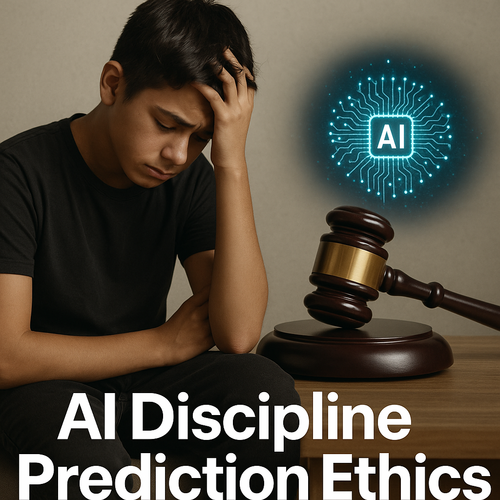
AI now decides which engineering disciplines get eliminated from projects
The most controversial development in engineering staffing isn’t about finding talent.
It’s about AI deciding which disciplines to eliminate.
Leading engineering firms are deploying predictive algorithms that analyze project data, team interactions, and budget performance to automatically recommend discipline reductions for future contracts.
The promise? 87% accuracy in preventing cost overruns and 43% faster project delivery through “optimized discipline allocation.”
The reality? AI systems that can systematically phase out entire engineering specialties without human oversight.
Here’s how it works:
The AI analyzes thousands of data points from completed projects—budget variances, timeline delays, communication patterns, deliverable quality scores, and change order frequency. It identifies which engineering disciplines correlate with project failures and which combinations drive success.
Then it makes recommendations.
“Reduce controls engineering by 40% on the next warehouse automation project.”
“Eliminate reliability engineers from this data center build.”
“Mechanical engineering shows negative ROI correlation—minimize involvement.”
The algorithms are sophisticated. They factor in project type, client requirements, budget constraints, and timeline pressures. They can predict with startling accuracy which discipline combinations will succeed or fail.
But they’re making decisions that reshape careers without engineers ever knowing they’re being evaluated.
We’ve seen this system recommend eliminating civil engineers from infrastructure projects because “modular construction reduces on-site complexity.” The AI cited 23% cost savings and 31% faster delivery.
But civil engineers discovered the recommendation only when they weren’t assigned to projects they’d historically led.
The ethical questions are staggering:
Should engineers know when AI has classified their discipline as “optimization candidates”?
Who validates the AI’s interpretation of project success? Budget performance doesn’t always capture safety, long-term reliability, or regulatory compliance—areas where eliminated disciplines provide invisible value.
What happens when the AI’s training data reflects historical bias? If past projects undervalued certain specialties or overlooked their contributions, the algorithm perpetuates those blind spots.
Most concerning: these systems operate in black boxes. Project managers receive discipline recommendations without understanding the reasoning. Engineers see reduced assignments without knowing why.
The productivity gains are real. Early adopters report measurable improvements in project margins and delivery speed. But they’re achieving efficiency by systematically reducing engineering diversity based on algorithmic recommendations that may not capture the full complexity of technical projects.
Consider the downstream risks:
• Projects optimized for speed and cost but vulnerable to technical failures that eliminated disciplines would have prevented.
• Engineering talent leaving firms where AI has deemed their expertise “redundant.”
• Loss of institutional knowledge as specialized disciplines are phased out of project teams.
• Reduced innovation as AI optimizes for proven patterns rather than creative problem-solving.
The most troubling aspect? Engineers affected by these decisions often don’t realize AI is involved. They experience reduced project assignments, smaller teams, or shifted responsibilities without understanding that algorithms have determined their disciplines are less valuable.
Some firms are implementing transparency protocols—notifying engineers when AI influences staffing decisions and providing appeal processes. But many operate these systems silently, treating algorithmic workforce optimization as proprietary competitive advantage.
Here’s what engineering leaders must consider:
If your organization uses predictive project staffing, demand visibility into how discipline recommendations are generated.
Ensure AI training data includes successful projects where “eliminated” disciplines prevented failures that weren’t captured in cost/timeline metrics.
Implement human oversight that can override algorithmic recommendations when technical complexity demands broader discipline representation.
Most importantly, consider whether engineers have the right to know when AI systems are evaluating their professional relevance.
Engineering project success depends on more than optimized headcount and budget performance. It requires technical expertise, creative problem-solving, and specialized knowledge that AI may not fully understand or value.
The question isn’t whether these systems work—they do.
The question is whether algorithmic discipline optimization serves engineering excellence or just project economics.
Engineering decisions shape infrastructure, safety, and innovation for decades.
Maybe those decisions are too important to delegate to algorithms—no matter how accurate their predictions.