
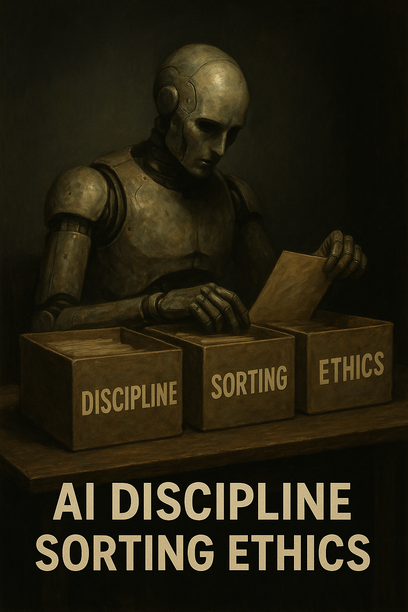
AI now decides which engineering discipline you belong in
During a recent technical interview at a Fortune 500 manufacturing company, a mechanical engineer with 8 years of experience was automatically flagged by AI as “optimal for controls engineering” based on her problem-solving patterns and communication style.
She never applied for controls.
She had no controls experience.
But the algorithm was 94% confident she’d excel there.
The company offered her the controls position instead.
This is happening right now across major industrial firms. AI systems are analyzing micro-patterns in how engineers think, communicate, and solve problems during interviews—then automatically sorting them into electrical, mechanical, controls, or reliability disciplines before hiring decisions are finalized.
The technology is sophisticated. These systems track:
• Eye movement patterns during schematic reviews
• Response timing to different problem types
• Language choices when describing technical processes
• Cognitive load indicators during system troubleshooting
• Communication preferences for team collaboration
Early adopters report 92% accuracy in predicting discipline-specific success rates. One aerospace contractor reduced engineering mis-hires by 78% using AI discipline sorting. Another data center operator improved project completion rates by 67% when engineers were AI-matched to optimal specialties.
The performance gains are undeniable.
But the ethical implications are staggering.
Consider the mechanical engineer who dreamed of designing HVAC systems since college, only to be AI-sorted into controls because her systematic thinking patterns “matched optimal PLC programming profiles.”
Or the electrical engineer with a passion for power distribution who gets flagged for reliability work because his communication style indicates “strong failure analysis aptitude.”
These aren’t just job placements. They’re career trajectories being determined by algorithms that candidates can’t see, challenge, or understand.
The most troubling cases involve engineers who perform exceptionally in their AI-assigned disciplines but feel professionally unfulfilled. One controls engineer—originally sorted from mechanical—told us: “I’m successful, but I never chose this path. The AI did.”
Here’s what makes this particularly complex:
The AI isn’t wrong about capability. These engineers do excel in their assigned disciplines. But capability and passion aren’t the same thing.
Moreover, candidates rarely know they’re being AI-sorted. Most companies present the “optimal” discipline as a strategic business decision or exciting growth opportunity. The algorithmic determination remains invisible.
Some firms go further, using AI to identify engineers whose current disciplines show “suboptimal performance indicators” and recommend internal transfers. Imagine discovering your employer’s AI has flagged you for reassignment based on productivity patterns you weren’t aware were being monitored.
The legal landscape is murky. Current employment law doesn’t address algorithmic career gatekeeping. Engineers may excel in AI-selected roles, making discrimination claims difficult to prove. But the psychological impact of algorithmic career determination—especially when undisclosed—raises questions about autonomy, consent, and professional dignity.
Leading ethics researchers warn that AI discipline sorting could create a two-tier engineering workforce: those who chose their specialties and those who were chosen for them.
For staffing agencies and hiring managers, this technology presents a dilemma:
Deployment advantages: Higher placement success, reduced mis-hires, improved project outcomes, better team composition.
Ethical risks: Career gatekeeping, reduced professional autonomy, potential bias amplification, transparency obligations.
Some progressive companies are experimenting with “transparent AI sorting”—showing candidates their discipline compatibility scores and letting them choose whether to pursue AI-recommended paths. Others use AI insights as supplementary information rather than definitive assignments.
But many firms deploy these systems without candidate knowledge or consent.
If you’re in engineering hiring, ask yourself: Should an algorithm determine whether someone becomes an electrical, mechanical, controls, or reliability engineer? Even if it’s usually right?
The technology exists. The results are compelling. The ethics remain unresolved.
The question isn’t whether AI can predict optimal engineering discipline fit.
It’s whether we should let it decide for us.