
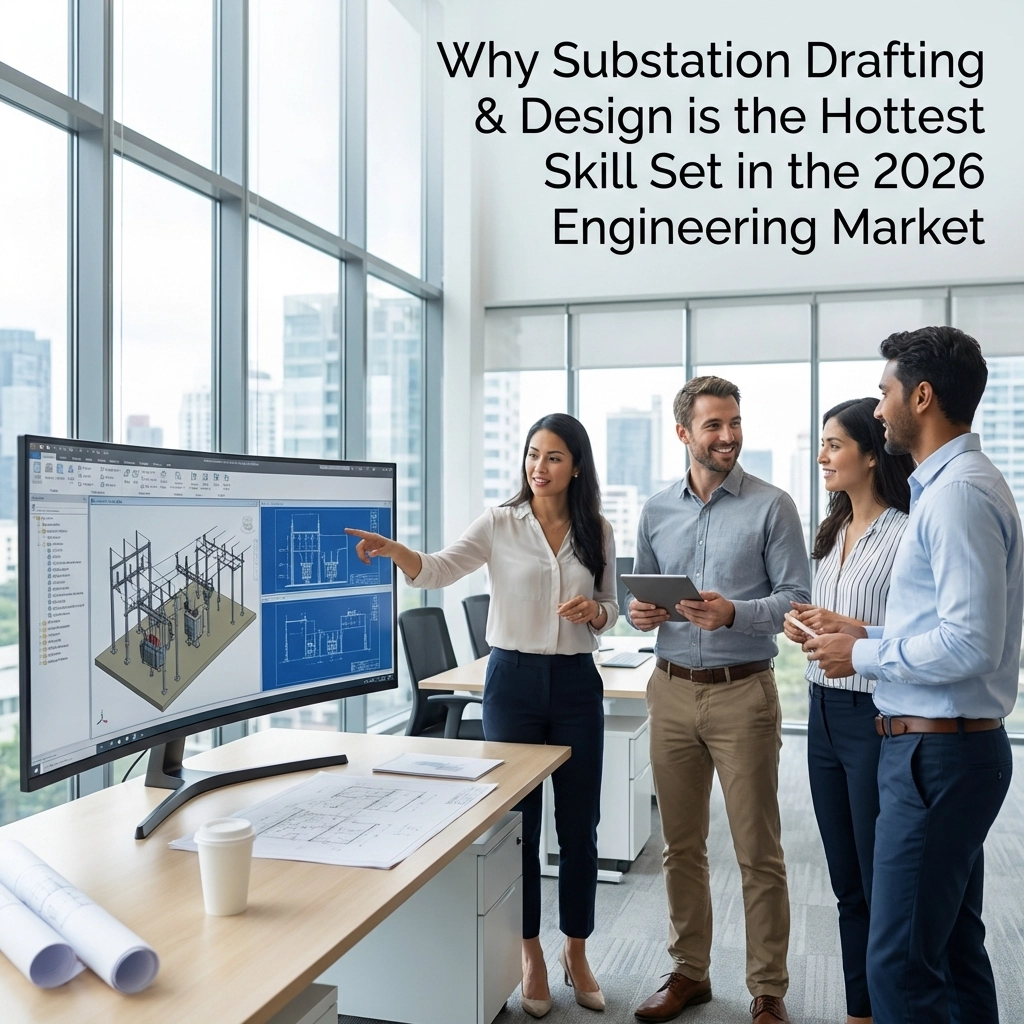
The electrical grid is undergoing its most dramatic transformation in decades, and substation drafting and design professionals are finding themselves at the center of a perfect storm of opportunity. With the global substation market projected to grow from $166.98 billion in 2025 to $226.91 billion by 2032, companies are scrambling to find qualified engineers who can navigate this complex, evolving landscape.
But here's the catch: the talent pool isn't keeping pace with demand. Currently, there are 60 active substation drafter positions hiring nationwide, yet experienced professionals remain scarce relative to project needs. For engineering professionals looking to future-proof their careers, substation design expertise represents one of the most lucrative and stable skill sets available today.
The Infrastructure Crisis Driving Demand
America's electrical infrastructure is aging out. Much of our grid was built in the 1960s and 70s, and critical components are reaching end-of-life status just as our power demands are skyrocketing. The challenge isn't just maintenance: it's complete modernization while the lights stay on.
Consider the numbers: US datacenter electricity demand alone is expected to more than triple by 2035. Each new datacenter requires substantial substation infrastructure to handle the massive power loads, and that's just one sector. Add in the electrification of transportation, the growth of manufacturing, and residential demand increases, and you have a recipe for unprecedented infrastructure investment.

This isn't theoretical future planning: it's happening right now. Utilities are under pressure to upgrade aging substations while simultaneously expanding capacity for new loads. The result? An urgent need for skilled drafters and designers who can handle both legacy system integration and cutting-edge grid technologies.
Renewable Integration: The Technical Complexity Multiplier
The renewable energy transition has fundamentally changed substation design requirements. Traditional substations were designed for predictable, centralized power generation. Today's grid must accommodate distributed solar farms, wind installations, and energy storage systems: each with unique integration challenges.
Modern substation designers need expertise in:
- Bidirectional power flow management
- Grid-tie inverter integration
- Power quality optimization for variable renewable sources
- Energy storage system coordination
- Micro-grid interconnection protocols
This complexity requires sophisticated technical skills that go far beyond traditional electrical engineering. Professionals need proficiency with advanced design software like Autodesk Inventor for 3D modeling and specialized tools like SDS (Substation Design Suite) for electrical system analysis and coordination.
The renewable integration challenge is creating a new category of substation specialist: one who understands both traditional grid operations and emerging clean energy technologies. These hybrid skill sets are commanding premium salaries as utilities recognize their strategic value.
Smart Grid Technology and Digital Transformation
Grid modernization isn't just about replacing old equipment: it's about building intelligent infrastructure that can self-monitor, self-heal, and optimize performance in real-time. This digital transformation is revolutionizing how substations are designed, built, and operated.

Building Information Modeling (BIM) has become essential for coordinating complex substation projects. Unlike traditional 2D drafting, BIM allows teams to visualize equipment conflicts, optimize layouts, and coordinate across multiple engineering disciplines before construction begins. This reduces costly field changes and accelerates project delivery: critical advantages in today's fast-paced market.
Smart grid integration also requires new expertise in:
- SCADA system integration
- Cybersecurity considerations for connected infrastructure
- Advanced protection and control schemes
- Real-time monitoring and analytics systems
- Communication protocol standards
Professionals who can bridge the gap between traditional substation design and digital grid technologies are becoming invaluable assets to their organizations.
The Talent Gap Challenge
Despite the obvious demand, companies are struggling to fill substation design positions. The problem is multifaceted:
Experience Requirements: Many utilities require 5-10 years of specific substation experience, but there haven't been enough projects to develop that many specialists until recently.
Technical Complexity: The skill set now spans mechanical, electrical, civil, and digital disciplines. Finding professionals with all these competencies is extremely challenging.
Geographic Constraints: Substation projects are often located in specific utility service territories, limiting the talent pool to professionals willing to relocate or travel extensively.
Aging Workforce: Many experienced substation engineers are nearing retirement, taking decades of specialized knowledge with them.
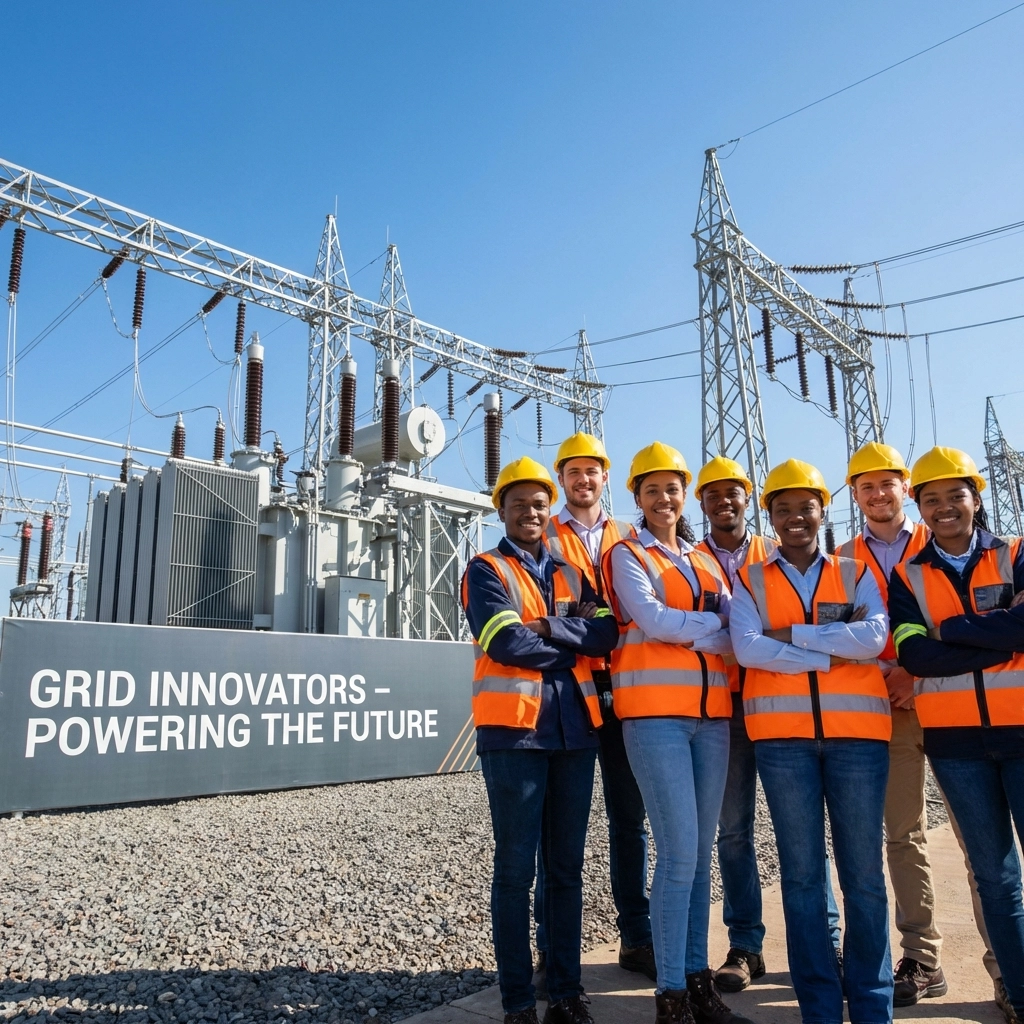
This talent gap is creating significant project delays and cost overruns across the industry. Utilities that can secure qualified substation design expertise gain a substantial competitive advantage in project execution and grid reliability.
Compensation and Career Outlook
The supply-demand imbalance is driving impressive compensation packages for substation design professionals. Entry-level drafters with relevant CAD skills can expect starting salaries in the $65,000-$80,000 range, while experienced designers command $90,000-$120,000+ depending on location and specialization.
Senior substation engineers with project management capabilities often earn $130,000-$160,000, with the potential for significant overtime and project bonuses. Contract professionals can command even higher hourly rates, particularly for urgent modernization projects.
The career progression path is equally attractive:
- Junior Drafter: CAD proficiency, basic electrical knowledge
- Substation Designer: Equipment specification, protection coordination
- Senior Designer: Project leadership, client interface, regulatory compliance
- Principal Engineer: Strategic planning, business development, technical innovation
Essential Technical Skills for 2026
Success in today's substation design market requires a specific combination of traditional and emerging competencies:
Software Proficiency:
- AutoCAD/Autodesk Inventor for detailed design work
- SDS or similar specialized substation design tools
- BIM platforms (Bentley MicroStation, Autodesk Revit)
- Power systems analysis software (ETAP, SKM PowerTools)
Technical Knowledge:
- IEEE standards for substation design and protection
- NESC and utility-specific construction standards
- Equipment specifications and vendor coordination
- Protection and control system design
- Power transformer and switchgear selection
Emerging Skills:
- Renewable integration design
- Energy storage system coordination
- Cybersecurity awareness for connected infrastructure
- Environmental and permitting considerations
How AList Professionals Bridges the Gap
At AList Professionals, we understand the unique challenges of substation staffing. Our engineering recruitment specialists work with both utilities and design firms to identify and place qualified substation professionals across temporary, contract, and permanent positions.
We've developed specialized recruiting processes that evaluate both technical competency and project experience, ensuring our placements can contribute immediately to critical infrastructure projects. Our network includes professionals with diverse backgrounds: from traditional utility engineers transitioning to design roles to recent graduates with strong CAD skills and renewable energy knowledge.

Our approach focuses on matching technical skills with project requirements while considering long-term career development opportunities. Whether you need a short-term drafter for a specific project or a senior designer to lead your substation modernization program, we can provide qualified candidates who understand the unique demands of today's grid transformation.
The Future of Substation Design
Looking ahead, substation design will only become more complex and valuable. The convergence of electrification, renewable integration, and digital transformation creates unprecedented opportunities for skilled professionals. Grid modernization will continue for decades, ensuring stable demand for substation expertise.
The professionals who invest in developing these skills today: particularly those who can master both traditional design principles and emerging grid technologies: will find themselves at the center of America's energy future. As utilities race to modernize aging infrastructure while accommodating new power demands, substation design expertise represents one of the most future-proof career paths in engineering.
For companies struggling to fill these critical positions, partnering with specialized staffing firms like AList Professionals can provide access to qualified talent and accelerate project timelines. The substation design market won't wait: but the right expertise can ensure your projects stay on schedule and your grid stays reliable.