
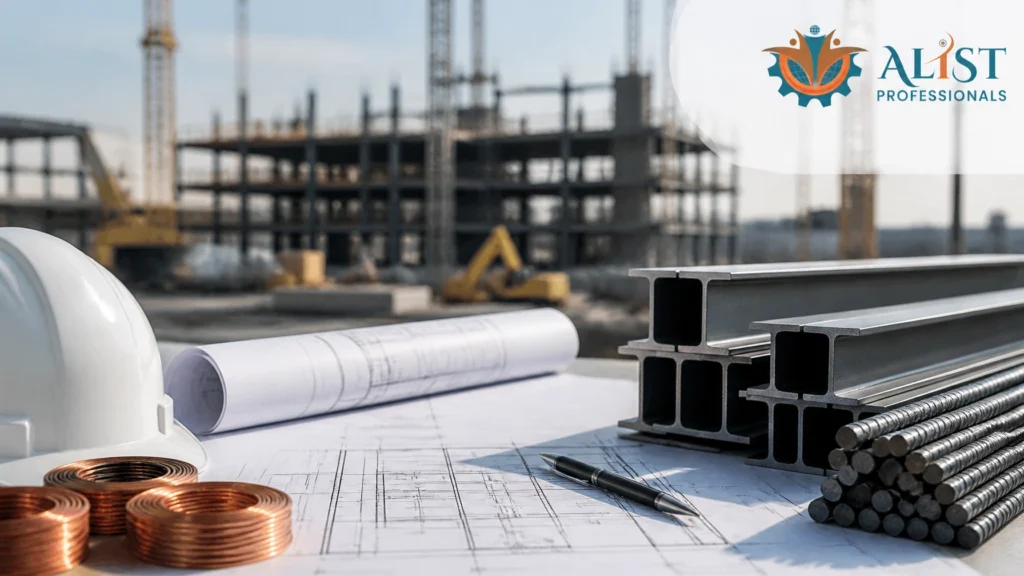
If you’ve been keeping an eye on the commodities ticker lately, you know that the "new normal" in engineering is anything but stable. As we move deeper into 2026, the industry is hitting a paradox: demand for infrastructure and data centers is sky-high, but the materials needed to build them are acting like a roller coaster.
At AList Professionals, we’ve seen three decades of market cycles. We’ve seen the booms, the busts, and the "unprecedented" disruptions. But 2026 is bringing a unique flavor of volatility: one where copper, steel, and aluminum aren't just getting more expensive; they're becoming harder to find.
The question isn't just "How do we pay for this?" It’s "How do we manage the project when the supply chain is a moving target?" The answer, surprisingly, isn’t found in a warehouse. It’s found in your staffing strategy.
The 2026 Reality: A Copper Deficit and an AI Boom
To understand why staffing matters for your bottom line, we first have to look at the numbers. The International Copper Study Group is forecasting a global refined copper deficit of approximately 150,000 metric tons in 2026. Why? Because the AI revolution isn't just about code: it's about cables. AI-ready data centers use roughly four times more copper than traditional facilities.
When copper prices hit the forecast $12,000/mt mark, your project margins don't just shrink: they can evaporate overnight. And it's not just copper. Steel, lumber, and cement continue to fluctuate, while new domestic-content rules under the Inflation Reduction Act require projects to prove that at least 55% of their material costs come from U.S. sources to unlock critical tax credits.
In this environment, "business as usual" is a recipe for a budget blowout.
Turning Procurement into a Profit Center
When materials are volatile, your procurement and supply-chain talent shouldn't just be "ordering stuff." They need to be strategic architects of your project’s financial health.
A 2-5% reduction in material waste or a better-timed purchase can literally be the difference between a profitable year and a loss. In 2026, the ROI of a high-tier Procurement Manager or Supply Chain Specialist is astronomical.

These pros aren't just reacting to the market; they are:
- Structuring Long-Term Agreements: Moving away from risky "just-in-time" spot buys and securing 12-18 month blanket agreements to guarantee project timelines.
- Managing Traceability: Ensuring every ton of steel meets domestic-content rules so your firm doesn't lose out on millions in federal incentives.
- Alternative Material Strategy: Working with engineers to qualify substitutions: like switching from copper to specific aluminum alloys: without compromising on quality or safety.
The Human Solution to a Digital Problem
You might think that AI is the answer to predicting these swings. And you’re partially right. But AI is only as good as the Data Engineers and analysts who build the models.
Firms that invest in digital-savvy engineering talent are the ones winning in 2026. They use predictive logistics tools to see a shipment delay before it happens and re-sequence work in real-time. This prevents the most expensive kind of waste: idle labor. There is nothing more damaging to your bottom line than having a crew of specialized engineers standing around because a shipment of busway is stuck at a port.

Stability in a Volatile World: The AList "Partner Process"
At AList Professionals, we don’t believe in transactional staffing. When a client tells us their project is at risk because of material delays, we don't just send a resume. We engage in our Partner Process.
We look at the specific technical requirements and the "soft" skills needed to navigate a crisis. For over 30 years, we’ve focused on Engineering, IT, and Finance because these sectors are the pillars of the modern economy. Our experience tells us that when things get messy, you need a team that has been through the fire.
Why Veterans and Diverse Talent are the Secret Weapon
In a high-volatility environment, you need people who are resilient, adaptable, and disciplined. This is why we specialize in Veteran Recruitment.
Military veterans are trained to operate in "VUCA" environments: Volatile, Uncertain, Complex, and Ambiguous. When a supply chain breaks, a veteran engineer doesn't panic; they pivot. They find a way to complete the mission. By focusing on diversity and veteran hiring, we provide our clients with a workforce that isn't just technically capable, but mentally prepared for the challenges of 2026.

How to Protect Your Margins Right Now
If your project is feeling the squeeze of material volatility, it’s time to stop looking at staffing as a "cost" and start looking at it as an insurance policy.
- Prioritize Leverage Roles: Don't cut headcount in procurement or planning to save on salary. Those roles are the ones that prevent $500k budget overruns.
- Recruit for Hybrid Skills: Look for engineers who understand the financial and regulatory side of materials, not just the technical side.
- Partner with Experts: Don't go it alone. Use a firm that understands your industry. Our Collaborative Partner Process ensures that the talent we provide is a perfect fit for your specific project culture and technical needs.

Conclusion
Material volatility in 2026 isn't a temporary glitch; it’s a structural shift in how engineering projects are executed. While you can't control the price of copper on the London Metal Exchange, you can control who is in your corner managing it.
The right talent stabilizes the chaos. At AList Professionals, we’ve spent three decades connecting businesses with the specialized talent that keeps projects on track and budgets in the green.
Ready to build a resilient engineering team? Connect with AList Professionals today and let’s talk about how our staffing solutions can protect your bottom line.
